
Opening a bar business that will withstand the test of time, the pressure of local competition and the ever-changing economic climate is no easy task. This is why so many new bars are often here one day and gone the next.
If you’ve always wanted to pursue your dream of opening your own bar, success is not totally out of reach. With the right skills and know-how, you’ll have everything you need to get your bar off the ground and keep the customers rolling in.
We’ve created this step-by-step guide to starting a bar business, so you can reap the rewards of being a successful business owner.
1. Carry out lots of market research
The first step on your ‘opening a bar checklist’ should be carrying out market research. Gathering as much information as possible at this stage can help you to see whether your bar is likely to be a success, and determine whether you’ve got the right skills to run a bar full-time.
It’s not enough to decide that you want to open a bar. You’ll also need to identify your niche so that you can distinguish yourself from the local competition and target the right customers. Fortunately, market research can help you find out all of this information and much more.
There are several approaches that you can take to market research, including:
- Conducting a questionnaire or survey – This involves distributing physical survey copies or conducting an online survey. The responses are then collected and analysed.
- Conducting focus groups – Focus groups involve interviewing a small group people to find out their beliefs, thoughts and opinions on your service.
- Conducting one-on-one interviews – One-on-one interviews have the same aims as focus groups, however, they are conducted with individuals rather than in groups.
- Testing your product on a small group of people – This involves testing your product or service on a small sample size. For example, opening a pop-up bar.
- Observation – This involves watching and noting the behaviour of your target audience to gather information about them
The option that you choose will largely depend on the time, money and resources that you have available. For example, conducting a questionnaire is significantly quicker and cheaper than conducting focus groups. No matter what the costs, it’s always a good idea to invest in market research as it can provide you with a valuable insight into your future customers and competitors.
You’ll be able to gather information on your target customers’ age, occupation, budget and you could even decipher their food and drink preferences! All of these details will help you to come up with a bar concept that will attract a steady stream of customers and set you apart from the competition.
2. Draw up a bar business plan
Once you’ve carried out your market research and decided on a viable bar concept, it’s time to draw up a detailed bar business plan.
One of the reasons why some bars fail is that their owners don’t treat the bar as a business. They’ll invite friends over for free drinks, work short shifts or avoid looking after the business’ finances – all of which can cause the business to fail just as quickly as it started up.
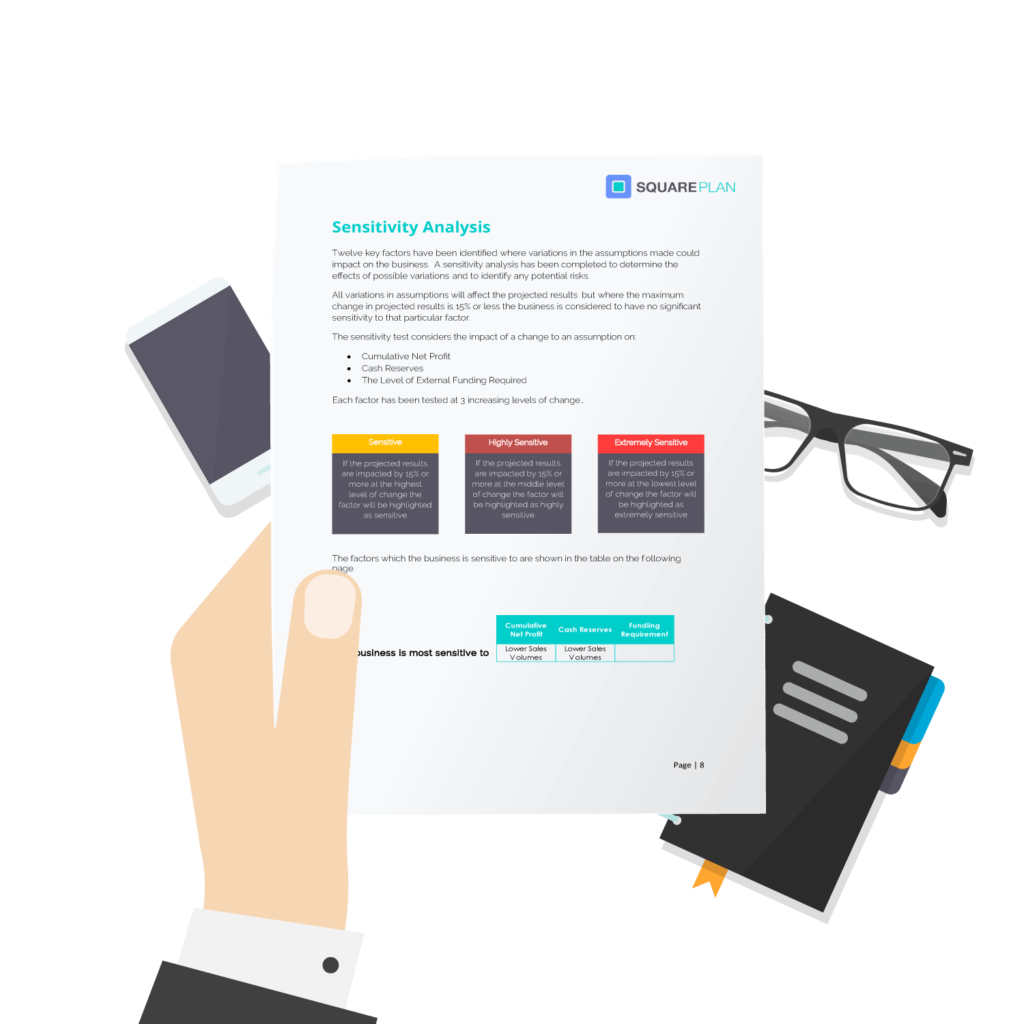
This is why it is essential that you draw up a detailed business plan. This will help you to outline a path for your business, and give details on how you plan to achieve your goals so that everyone within the organisation has the same shared vision.
There are 7 key aspects to a business plan, these are:
- Executive summary – A round-up of the main findings in your business plan.
- Company description – The history, legal structure and start-up plans for your bar.
- Your product or service – A description of the service or product you plan to provide. This section should focus on how this will benefit your consumers.
- Market analysis – This is where you should use your market research. You should include information on where your customers are, what they need and how you plan to meet these needs with your product or service.
- Strategy and implementation – This section will outline your goals and how you intend to achieve them. All goals should be S.M.A.R.T. (Specific, Measurable, Achievable, Relevant and Time Limited).
- Management team – This section will include details on the main members of the business and their roles and responsibilities.
- Financial plan – Details of profit and loss accounts, cash flow, balance sheets etc. For new bar owners, this will be based on assumptions and projections rather than actual financial data.
The business plan doesn’t necessarily need to be set out in the order above, however, it’s important to cover each aspect in as much detail as possible.
We can help you with creating a business plan from just £299.
3. Register your business
Your business structure should be outlined in your business plan, therefore, the next step is to formally register your business with Companies House. However, there are different procedures for registering as a sole trader, partnership or limited company.
Registering a limited company
To register as private limited company you’ll need your company name, SIC code, address, the name of at least one director and details of your company’s shares. Once you have this information, you can register your business online for £12.
Partnership
If you’re setting up your bar as a partnership, all you’ll need is your business’ name, a ‘nominated partner’ and you’ll need to register as a partnership through HMRC online.
Sole trader
You **must **set up as a sole trader if you’ve earnt over £1000 in self-employed income over the last tax year. As well as this, if you want to voluntarily pay Class 2 National Insurance payments or you need to prove that you’re self-employed, then you must also set up as a sole trader. To register, you’ll need to sign up for self-assessment with HMRC and file a yearly tax return.
4. Get the right licenses
As a bar owner, you’ll need a number of different licenses before you can get your business up and running. These permit you to carry out your day-to-day business activities legally.
It’s likely you’ll need a premise license, a license to sell alcohol and a license to play background music. However, there are a whole host of licenses to consider depending on the types of business activity that you will be carrying out at your premises.
If you’re unsure of which licenses you need, it’s best to get in touch with HMRC to make sure you’re not wasting unnecessary time or money when getting the correct licenses for your bar.
5. Choose your bar’s location
Your bar’s location will make or break your business. You want to make sure that you’re getting enough footfall, but from the right kind of customer too.
There are also a whole host of other factors that will affect your location decision. These include: rent and utility costs, parking, your target demographic and your bar’s style.
Whilst it’s important to carefully think over your location decision, you don’t want to wait so long that all the good rental space gets snapped up. So once you’ve made a decision, act quickly so that your competitors don’t get there first.
6. Design the interior of your bar
Getting your bar’s interior right the first time will help you to draw new customers in and put your bar on the map.
Get a feel for the type of people you want to attract and envision what sort of bar they would go to. Of course, it’s likely that you’ll already have your own ideas on how your bar should look – however, this may not be as attractive to your potential customers as it is to you.
If you have the finances available, an interior designer can help you to bring your ideas to life and provide an invaluable outside opinion. This will help you fine-tune details such as the location of the bar, toilets and seating so that the location is customer-friendly as well as aesthetically pleasing.
7. Keep track of your inventory
Counting your stock and tracking your time is essential for any business that sells a product or service. This allows you to stay on top of your business’ costs and suss out which drinks and foods are selling well.
When done well, keeping control of your stock will provide you with more information on your business and customers, so that you can constantly make improvements to your business.
Make sure to note down all of your stock when before you open your business, and invest in accounting services or accounting software so that you can keep on top of your finances as your business grows.

8. Promotion and marketing
Now that your bar is up and running, your main task is to keep the customers rolling in. That’s where marketing comes in. This is an essential tool to utilise to promote your business and keep existing customers coming back for more.
Email marketing, social media, search engine optimisation and paid online advertising are just a few of the tools that you could use to market your business. This not only has the benefit of attracting new customers, it also allows you to gather more information on your existing customers so that you can improve your bar’s offering.
Whilst opening a bar doesn’t come without its challenges, the results are often rewarding. With the right tools, skills and motivation, you should have no troubles starting and running a successful bar business.